
How Often Should You Dry Clean Curtains? | Fresh Home Tips When was the last time you had your curtains cleaned? If you had to pause and think, you’re not alone. Curtains are often forgotten during routine cleaning – but here’s the thing: they collect dust, allergens, and odors just like your carpets and upholstery. And if you live in a bustling, sandy city like Dubai, this buildup happens faster than you’d think. So how often should you actually dry clean your curtains? Let’s break it down. Why Curtain Cleaning Matters Curtains don’t just block sunlight or add to your home’s décor. They act like air filters, trapping dust, smoke, pet hair, pollen, and even moisture from your kitchen or bathrooms. Over time, this buildup leads to: Unpleasant odors Faded fabric Dust mites and allergens Mold and mildew in humid areas That’s why regular cleaning is essential—not just for hygiene, but also for the lifespan of the fabric. Ideal Curtain Cleaning Frequency How often you should book a curtain cleaning service depends on a few factors: 1. Location of Your Home Live near a busy road or construction site? Your curtains absorb dust faster. In cities like Dubai, where sand and pollution are part of daily life, cleaning every 3 to 6 months is ideal. 2. Type of Fabric Delicate fabrics like silk or linen need professional care more often than synthetic ones. These should be dry cleaned by a trusted curtain cleaning company to prevent damage. 3. Allergy or Asthma Concerns If someone in your home suffers from allergies, you’ll want to clean curtains more frequently—ideally every 2 to 3 months. 4. Pets in the House Pet dander clings to curtains like magnets. Regular cleaning every 3 months can help keep things fresh and allergy-free. 5. Kitchen or Smoking Area Nearby If your curtains are near cooking areas or smokers, odors and grease buildup are real issues. Dry cleaning every 3 to 4 months helps maintain a clean environment. Why Dry Cleaning Is the Best Option Unlike machine washing, professional curtain cleaning services in Dubai offer deep cleaning that’s gentle on the fabric but tough on stains, dust, and bacteria. It preserves color, maintains fabric quality, and removes embedded allergens effectively. At MM Laundry, our specialized curtain dry cleaning service includes: Free pickup and delivery Fabric-safe dry cleaning process Expert stain removal and deodorizing Steam finishing for a crisp, fresh look We’re not just another curtain cleaning company—we treat your curtains like the investment pieces they are. Final Word: Don’t Wait for the Curtains to Look Dirty By the time your curtains look dusty or stained, they’ve already trapped a lot more grime than you realize. Regular professional cleaning keeps your home fresh, your air cleaner, and your interiors looking polished year-round.

Author: Admin
Express Laundry in Sharjah: Fast, Reliable & Affordable Solutions
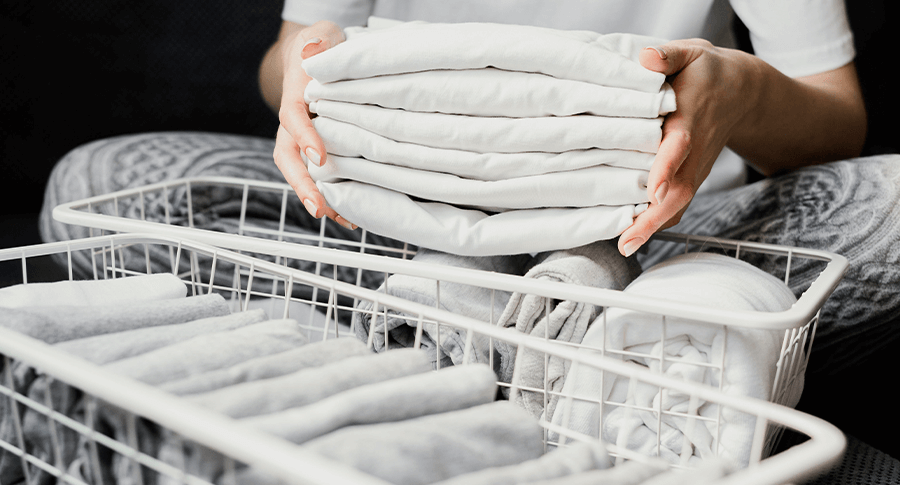
Express Laundry in Sharjah: Fast, Reliable & Affordable Solutions In today’s fast-paced world, finding time to do laundry can be challenging. Whether you have a busy schedule or simply prefer a professional touch, express laundry services offer the perfect solution. At MM Laundry in Sharjah, we provide fast, reliable, and affordable laundry services to ensure your clothes are always fresh, clean, and ready when you need them. Why Choose Express Laundry Services? Express laundry services are designed to cater to customers who need quick turnaround times without compromising on quality. If you’re looking for convenience and efficiency, here’s why you should consider express laundry Sharjah. Speedy Turnaround: We understand that you need your clothes cleaned and returned as quickly as possible. Our express service ensures a fast turnaround, often within a few hours, so you can get back to your day without any hassle. High-Quality Cleaning: Despite the quick turnaround, we don’t compromise on the quality of cleaning. We use advanced equipment and eco-friendly detergents to give your clothes the care they deserve. Affordable Pricing: At MM Laundry, we offer competitive prices for our express laundry services, making it easy to get your clothes cleaned quickly without breaking the bank. Services We Offer At MM Laundry in Sharjah, we provide a wide range of express laundry solutions to cater to your every need: Express Dry Cleaning Services: Need your suit, delicate fabric, or dress cleaned quickly? Our express dry cleaning services ensure that your garments are cleaned professionally and ready for wear in no time. We handle all types of fabrics with care, using solvents that clean without damaging delicate materials. Regular Laundry Services: From t-shirts to towels and sheets, our regular laundry services are ideal for those who need everyday items cleaned quickly. We provide washing, drying, and folding services to ensure your clothes are returned in excellent condition. Specialized Stain Removal: If you’ve got tough stains on your clothes, don’t worry. Our express laundry services include specialized stain removal treatments that target even the most stubborn spots, leaving your garments looking spotless. Pickup and Delivery Services: For your convenience, we offer pickup and delivery options. Simply schedule a time, and our team will come to collect your laundry, clean it, and return it to you at your preferred time. Benefits of Choosing MM Laundry in Sharjah When you choose MM Laundry in Sharjah for your express laundry service, you get more than just fast cleaning: Reliability: You can count on us to get your laundry done on time, every time. We understand the importance of having clean clothes when you need them. Quality Care: Our team uses state-of-the-art technology and premium cleaning products to ensure that your clothes are treated with the utmost care. Convenience: With easy-to-use online booking, quick turnaround, and delivery options, we make laundry services as hassle-free as possible. Affordable Express Laundry Solutions We believe that quality laundry services shouldn’t come with a hefty price tag. At MM Laundry, we offer affordable pricing for express laundry Sharjah services, so you can enjoy professional laundry care without stretching your budget. Our transparent pricing model means no hidden fees—just honest and competitive prices. How Does Express Laundry Work? Using our express laundry services is simple and quick: Place an Order: You can book our express laundry Sharjah services through our website. We offer flexible pickup and delivery times to suit your schedule. Collection: We’ll pick up your laundry at the scheduled time, saving you time and effort. Cleaning: Our team will handle your laundry with care, using high-quality detergents and modern equipment to ensure excellent results. Delivery: Once your clothes are clean and fresh, we’ll deliver them to your door, ensuring you get them back as quickly as possible. When Should You Use Express Laundry Services? Our express laundry services are perfect for: Busy Professionals: If you have a packed schedule and need your clothes cleaned in a hurry, our express services provide a quick and convenient solution. Last-Minute Needs: Heading to an important event or business meeting? Use our express dry cleaning services to ensure your attire is fresh and ready to go. Families on the Go: For families who need regular laundry services, we offer fast, reliable cleaning that fits into your busy life. When you need fast, reliable, and affordable laundry services in Sharjah, MM Laundry is the answer. Whether it’s express laundry services for everyday clothes or express dry cleaning services for delicate garments, we’ve got you covered. Trust us to handle your laundry needs with speed and care, so you can get back to what matters most.
Your Ultimate Guide to Wedding Dress Dry Cleaning in Dubai

Your Ultimate Guide to Wedding Dress Dry Cleaning in Dubai Your wedding day is one of the most memorable and special occasions in your life. After all the celebrations, your wedding dress carries a wealth of emotions and memories. Naturally, you want to preserve it in the best possible condition. That’s where wedding dress dry cleaning comes in. At MM Laundry, we understand how important your wedding gown is, and we’re here to guide you through the essential steps to ensure your dress stays beautiful long after the big day. Why Is Wedding Dress Dry Cleaning Important? Wedding dresses are often made from delicate fabrics like satin, lace, tulle, and silk, which can be easily damaged by dirt, sweat, and stains. Wedding dress dry cleaning ensures that your gown receives a gentle yet effective cleaning that helps to maintain its pristine condition while preserving the integrity of the fabric. Key Benefits of Wedding Dress Dry Cleaning: Gentle on Delicate Fabrics: Dry cleaning uses solvent-based methods that prevent fabric damage, unlike water-based cleaning which can cause shrinkage, discoloration, or fabric stretching. Restores the Original Appearance: Dry cleaning removes stains and dirt that may have accumulated during the wedding day without affecting the gown’s structure or texture. Preservation for the Future: Professional cleaning and restoration help ensure your wedding dress is ready for future generations, whether for a family heirloom or simply as a cherished memory. What to Expect from Wedding Dress Cleaning in Dubai When choosing a professional wedding dress cleaning service in Dubai, you want to be sure that your gown is in expert hands. Here’s what you can expect from MM Laundry and our wedding gown restoration services: Inspection and Assessment: Before we begin cleaning your gown, we thoroughly inspect it for stains, damages, and areas that need special attention. We pay particular attention to the hem, seams, and underarms, which are more likely to be soiled. Gentle Dry Cleaning Process: Our dry cleaning process involves the use of delicate solvents that break down stains while keeping the fabric intact. We handle each dress according to its specific fabric needs to ensure the best results. Stain Removal: Whether it’s a wine spill or a bit of makeup, we use targeted techniques to safely remove stains, without causing any harm to the fabric. Our expert team ensures that every stain is carefully treated. Wedding Gown Restoration: In addition to cleaning, we offer wedding gown restoration services to repair any damages. Whether it’s a tear in the fabric, a loose bead, or discolored lace, our restoration experts will restore your gown to its former glory. Preservation for Future Use: Once your wedding dress is cleaned and restored, we offer preservation services to ensure your gown remains in perfect condition. Our preservation methods include packaging your dress in an acid-free box or using a protective garment bag that helps prevent yellowing or fabric degradation over time. When Should You Have Your Wedding Dress Dry Cleaned? It’s important to get your wedding dress cleaned as soon as possible after your wedding to ensure stains don’t set and that dirt doesn’t cause long-term damage. Ideally, you should have it cleaned within two weeks of the wedding. The longer you wait, the more difficult it may be to remove certain stains, particularly from delicate fabrics like satin and silk. How Much Does Wedding Dress Dry Cleaning Cost in Dubai? Factors Affecting the Cost: Fabric Type: More delicate fabrics like silk or lace may require extra care and attention. Stains and Damage: Additional stain removal or restoration work can increase the cost. Preservation Services: If you opt for preservation after cleaning, this may come with an additional fee. Rest assured, our pricing is transparent, and we provide a detailed quote after inspecting your gown. Why Choose MM Laundry for Wedding Dress Dry Cleaning in Dubai? When it comes to your wedding dress, you deserve the best. MM Laundry is renowned for offering expert wedding dress cleaning in Dubai with a focus on quality, care, and preservation. Here’s why you should choose us: How to Choose the Right Cleaning Service for Your Clothes? Expert Care: Our team has years of experience in cleaning and restoring delicate garments, including wedding dresses. Attention to Detail: We ensure your gown receives personalized attention and the most suitable cleaning methods. Preservation: We offer comprehensive preservation services, ensuring your gown stays as beautiful as the day you wore it. Convenience: Located in Dubai, we provide fast and reliable services with pickup and delivery options for your convenience. How to Book Your Wedding Dress Dry Cleaning Appointment Booking your wedding dress cleaning service with MM Laundry is easy. Simply contact us via our website, we have added different modes of channels to connect with us and we’ll arrange a time to inspect your dress and provide a tailored quote. We offer flexible pickup and delivery options to ensure a smooth and hassle-free experience. Your wedding dress is a symbol of love, joy, and memories. After your special day, it deserves the best care to keep it looking stunning for years to come. Wedding dress dry cleaning ensures your gown stays in pristine condition while providing expert cleaning, stain removal, and long-term preservation. Trust MM Laundry for all your wedding dress cleaning and wedding gown restoration needs in Dubai, and ensure your gown is beautifully preserved for the future.
Dry Cleaning vs Laundry: What’s Best for Your Clothes?

Dry Cleaning vs Laundry: What’s Best for Your Clothes? When it comes to keeping your clothes fresh, clean, and in top condition, choosing the right cleaning method is essential. MM Laundry, one of the best laundry services in Dubai, understands that not all fabrics are created equal, and neither are the cleaning methods. The two most common methods for cleaning clothes are dry cleaning and laundry. But how do you know which one is best for your wardrobe? In this blog, we’ll break down the key differences between dry cleaning and laundry, and help you decide the best approach for your clothes. What Is Laundry? Laundry is the process of washing clothes with water and detergent, typically in a washing machine or by hand. This method is suitable for most everyday garments like shirts, pants, and linens. Advantages of Laundry: Cost-effective: Laundry services are usually less expensive than dry cleaning. Convenient: Most clothes can be cleaned with water and detergent, making laundry a quick and straightforward method. Environmental impact: Water-based cleaning methods are generally considered more eco-friendly, especially when combined with natural detergents. When to Choose Laundry: Cotton & Synthetic Fabrics: Clothes made from materials like cotton, polyester, and blends can generally be washed in the machine without any issues. Everyday Clothes: T-shirts, socks, undergarments, and most casual wear are perfect for laundry. What Is Dry Cleaning? Dry cleaning is a process that uses a solvent, instead of water, to clean clothes. It’s often chosen for delicate fabrics or garments that cannot withstand the rougher handling of a washing machine. Dry cleaning involves a specialized machine that uses chemical solvents to break down stains and clean clothes. Advantages of Dry Cleaning: Gentle on Delicate Fabrics: Silk, wool, and leather items benefit from the gentleness of dry cleaning. Preserves Garment Shape: Unlike laundry, which can sometimes cause shrinking or stretching, dry cleaning maintains the original fit and texture of your clothes. Deep Stain Removal: Dry cleaning is better at removing tough stains like grease, oil, or ink, which water-based washing might not be able to handle. When to Choose Dry Cleaning: Delicate Fabrics: Items like silk blouses, wool suits, or leather jackets should always be dry cleaned. Specialty Garments: Items like formal wear, wedding dresses, and tailored suits require dry cleaning to maintain their structure and longevity. Why Choose MM Laundry for Your Dry Cleaning and Laundry Needs? At MM Laundry, we offer the best of both worlds. As a trusted dry cleaner service in Dubai, we specialize in offering tailored cleaning solutions for all types of fabrics and garments. Whether you need regular laundry service or expert dry cleaning, we ensure that your clothes receive the care they deserve. Our Services Include: Expert Dry Cleaning: Perfect for delicate fabrics like silk, wool, and suede. Eco-friendly Laundry Services: Using high-quality detergents and modern machines, we deliver outstanding laundry results for your everyday wear. Tailored Cleaning Plans: No matter the fabric, our experts ensure the right method is applied to ensure longevity and cleanliness. How to Choose the Right Cleaning Service for Your Clothes? For Delicate and Expensive Fabrics: Opt for dry cleaning services at MM Laundry to maintain your garments’ appearance and fabric integrity. For Everyday Wear: Laundry is perfect for regular clothes that don’t need the specialized care of dry cleaning. For Convenience: If you’re pressed for time, MM Laundry’s laundry and dry cleaning services provide fast, reliable, and expert care under one roof. Choosing between dry cleaning and laundry depends on the fabric and type of clothing you need cleaned. While laundry is ideal for most casual and durable clothing, dry cleaning ensures that delicate fabrics maintain their quality and last longer. At MM Laundry, we understand the importance of each cleaning method and are committed to offering you the best laundry service in Dubai. Whether it’s a daily laundry service or specialized dry cleaning, we’re here to care for your clothes. Contact MM Laundry today for a cleaner, fresher wardrobe, and enjoy a hassle-free laundry experience that’s both reliable and affordable!
Dubai’s Heat Got You Sweating?
Expert Laundry Tips for Fresh Clothes

Dubai’s Heat Got You Sweating? Expert Laundry Tips for Fresh Clothes Dubai’s intense heat can make it challenging to keep clothes feeling fresh and odor-free. Sweat, humidity, and dust often combine to create unpleasant smells and stubborn stains. Here are some expert laundry tips to ensure your clothes stay clean, fresh, and comfortable despite the hot climate. 1. Choose Breathable Fabrics Opt for lightweight, breathable fabrics like cotton, linen, and moisture-wicking materials. These fabrics allow better air circulation and reduce sweat buildup, making them easier to wash and maintain. 2. Wash Clothes Promptly Leaving sweaty clothes unwashed for too long can lead to stubborn odors and stains. Wash garments as soon as possible after wearing them, especially activewear and undergarments. 3. Use Cold Water for Washing Cold water is effective at removing sweat stains and odors without damaging fabric. It also helps preserve color vibrancy and prevents shrinkage, which is especially important in Dubai’s heat. 4. Add Baking Soda or White Vinegar For stubborn odors, add a cup of baking soda or white vinegar to your wash cycle. Both ingredients neutralize odors and act as natural deodorizers, leaving your clothes fresh and clean. 5. Dry Clothes in a Shaded Area While Dubai’s sun may seem ideal for drying clothes quickly, direct sunlight can fade colors and weaken fabrics. Dry your clothes in a shaded, well-ventilated area to preserve their quality. 6. Use Fabric Fresheners Spray a light mist of fabric freshener on your clothes before wearing them to maintain a pleasant scent throughout the day. Choose mild, non-irritating formulas for the best results. 7. Professional Laundry Services For delicate fabrics, designer garments, or heavy laundry loads, consider using a professional laundry service. These services use expert cleaning methods to ensure your clothes remain fresh, clean, and long-lasting. Dubai’s heat may pose laundry challenges, but with the right techniques, you can keep your clothes fresh and comfortable. From choosing breathable fabrics to using professional laundry services, these tips will help you stay cool and confident in the scorching weather.
5 Benefits of Professional Laundry
Service in Dubai

5 Benefits of Professional Laundry Service in Dubai Living in Dubai’s fast-paced environment often means juggling work, social life, and family commitments. With limited time for household chores, professional laundry services provide a practical solution. Here are five key benefits of using a laundry service in Dubai. 1. Time-Saving Convenience Managing laundry can be time-consuming, especially for busy professionals and families. Professional laundry services handle washing, drying, and ironing efficiently. Many services also offer doorstep pickup and delivery, ensuring a seamless and hassle-free process. 2. Expert Cleaning Techniques Laundry services in Dubai utilize advanced equipment and premium detergents to ensure effective stain removal and fabric care. Professional cleaners understand different fabric types and apply specialized techniques to maintain garment quality. 3. Enhanced Garment Care Delicate fabrics such as silk, wool, or designer clothing require special handling. Professional laundry services use precise cleaning methods to preserve fabric texture, color, and durability. This ensures your clothes last longer and retain their original look. 4. Eco-Friendly Practices Many modern laundry services in Dubai adopt eco-friendly practices. They use energy-efficient machines, biodegradable detergents, and water-saving techniques to reduce environmental impact. This makes professional laundry services both effective and sustainable. 5. Cost-Effective Solutions Outsourcing laundry may seem like an added expense, but it can save money in the long run. Reduced water bills, lower electricity consumption, and improved garment longevity contribute to overall cost savings. Choosing a professional laundry service in Dubai offers unmatched convenience, superior cleaning results, and better garment care. By saving time, protecting your clothes, and promoting eco-friendly practices, these services simplify life in a bustling city like Dubai.
Laundry Services in Dubai
Convenience for Busy Expats

Laundry Services in DubaiConvenience for Busy Expats Dubai is a city that never sleeps, full of professionals and expats from around the globe. If you are here on business or have decided to call this dynamic city home, life gets chaotic in Dubai. Between the pressure of work, family responsibilities, and a social calendar, there is usually little time to do the simple things, like laundry. That is where laundry services are of great use, providing a welcome relief to assist busy expats in keeping their wardrobes in check without causing them additional stress. 1. Why Laundry Services Matter in Dubai Lives in Dubai entail juggling work, socializing, and family. For expats, it may seem like just another thing on an endless list to spend a few hours doing laundry. This is where professional laundry services are a true lifesaver. They remove the drudgery of laundry day so you can concentrate on what matters most—work, family, and living the city. 2. Why Laundry Services Are a Game-Changer for Expats The cosmopolitan life of Dubai is demanding, leaving barely any time to do laundry when you are keen on completing office deadlines or multi-tasking as per your own schedule. Laundry services are that game-changer for busy expats due to the following reasons: Door-to-Door Pickup and Delivery: Perhaps the largest benefit of employing laundry services in Dubai is the door-to-door advantage. Imagine this: you book a pickup from home or the office, and your laundry is handled. Once completed, it’s delivered to your doorstep, saving time and effort. Express Laundry Services: Need your clothes cleaned quickly for an important meeting or last-minute event? Many laundry services in Dubai offer express or same-day services. This is a huge relief when you’re in a time crunch and don’t want to worry about running out of clean clothes. Delicate Fabric Care for Expats: Expat garments are often made of delicate materials such as wool, silk, or linen. Dubai laundry services accommodate these special requirements in the form of customized cleaning services for upscale clothing. From that favorite suit to a beautiful dress, they keep your clothing in pristine condition. 3. Affordability and Quality: Finding the Right Balance Though residing in Dubai may be costly, laundry services tend to find the perfect middle ground between quality and affordability. Expats don’t have to spend a fortune to enjoy excellent service. Reasonable Packages: Most laundry services provide special packages and subscription plans, which keep your laundry costs in check. Whether you require weekly or monthly cleaning, these packages ensure it is easy to maintain your budget. Quality You Can Trust: Dubai’s laundry business has advanced with the latest technology, guaranteeing that your garments are washed with the most advanced equipment and chemicals. Be it washing, dry cleaning, or ironing, you will get top-class results each time. 4. Additional Perks of Having Laundry Done in Dubai Beyond getting your clothes cleaned, most laundry services offer additional perks that make your life even simpler: Dry Cleaning: For formal occasions, suits, or delicate materials, dry cleaning is usually the only way to clean them properly. Most services in Dubai provide professional dry cleaning, so your clothes are not damaged but cleaned carefully. Ironing and Folding: Want your clothes to be crisp and ready to wear? Some laundry services involve ironing and folding, so you can pick up your clothes and head out without having to spend any additional time on them. Pet-Friendly Laundry: Some laundry services even accommodate pet owners by providing pet-friendly services. This includes pet hair and odor removal from your clothes and bedding, which is a huge assistance for anyone with furry companions at home. 5. How to Choose the Right Laundry Service in Dubai When picking a laundry service in Dubai, it’s important to consider a few key factors to make sure you’re getting the best experience: Reputation and Reviews: Always check online reviews or ask fellow expats for recommendations. A service with a solid reputation is more likely to meet your expectations. Pricing Structure: Some services bill by the item, while others provide bulk packages. Ensure you know the pricing structure before signing up for a service. Variety of Services: Depending on your requirements, find a laundry service that provides a range of services, including express laundry, dry cleaning, ironing, and folding. Convenience: Select services that have simple scheduling, online booking, and delivery/pickup. There are some that even have mobile apps to ensure the process is as easy as can be. Life in Dubai involves managing plenty of responsibilities, and laundry should not be part of it. Laundry services allow you to make time for yourself and maintain a fresh and clean wardrobe without worrying. Whether it is door-to-door service, fast turnaround time, or extra care for your fragile fabrics, these services make life a whole lot simpler. For hectic expats wanting to save time and get on top of their laundry, Dubai laundry services are a crucial solution.
Convenient Laundry Solutions in Dubai
Free Pickup & Delivery

Convenient Laundry Solutions in DubaiFree Pickup & Delivery Time is money in Dubai city. Between work, social life, and household chores, laundry often feels like a waste of time. Fortunately, professional laundry services in Dubai offer free pick-up and delivery, ensuring cleanliness is no longer a hassle. Why Opt for Pickup and Delivery Laundry Services? 1. Convenience Saves Your Time and EnergyNo need to wash, dry, or iron—leave it all to us while you focus on more important tasks. 2. Professional Care at Its FinestWe use the best soap, softeners, and washing techniques to ensure your clothes last longer and look crisp. 3. Environment-Friendly Cleaning MethodsOur eco-friendly approach uses less water and minimal chemicals, contributing to a cleaner society. 4. Transparency and Honest PricingEnjoy competitive rates with clear pricing—no hidden charges. How Does It Work? Choose the pickup time – Select a preferred time online or via the app. Cleaning and Processing – We wash, dry, press, and package your clothes. Smart Delivery – Receive clean clothes at your doorstep at your convenience. Book a free pickup and delivery laundry service in Dubai today. Save time and energy while ensuring expert handling of your clothes with eco-friendly cleaning. Experience the best laundry care hassle-free!
Dry Cleaning or Normal Washing
Which Ones Suit Clothes?

Dry Cleaning or Normal WashingWhich Ones Suit Clothes? When it comes to clothing care, choosing between dry cleaning and normal washing depends on the fabric type and cleaning requirements. Everyday garments usually require regular washing, while delicate or expensive clothes need dry cleaning. Understanding both methods can help you make the right choice. What Is Dry Cleaning? Dry cleaning is a water-free cleaning process that uses special chemical solvents to remove stains and dirt without damaging delicate fabrics. It is ideal for expensive or delicate garments that require extra care. What Is Regular Washing? Normal washing involves water and detergent to clean clothes in a washing machine or by hand. This method is best for cotton, linen, and synthetic fabrics, making it suitable for everyday clothing. Key Differences Between Dry Cleaning and Regular Washing Feature Dry Cleaning Regular Washing Uses water? No Yes Best for fabrics Wool, silk, embellished clothes, suits, costumes Cotton, polyester, denim Stain removal Effective for oil-based stains Best for dirt, sweat, and everyday stains Fabric protection Prevents shrinking and fading May cause shrinkage or color change Convenience Professionally done Can be done at home When to Choose Dry Cleaning Expensive or designer clothing Delicate fabrics like silk, wool, and cashmere Suits, blazers, and formalwear Clothes with oil-based stains When to Choose Normal Washing Everyday clothes like t-shirts, jeans, and undergarments Machine-washable synthetic fabrics Towels, bed sheets, and casual wear By knowing when to opt for dry cleaning or normal washing, you can extend the life of your clothes while keeping them clean and fresh. Looking for professional laundry services near you? MM Laundry offers expert dry cleaning and washing services to keep your clothes in perfect condition!
The Ultimate Guide to
Removing Tough Stains

The Ultimate Guide to Removing Tough Stains Nobody in actuality has the patience to look at stains upon their clothes. Coffee, ink, grease, and red wine might currently ruin your favorite outfit whenever not treated accordingly. The treatment of some stains must be done alone at home, while others only need professional laundry services so that your clothes remain fresh and spotless. This guide will enlighten you on the best stain removal techniques and how a Laundry and Dry Cleaning Shop in Dubai can help maintain your clothes at their best. 1. Common Stains and How to Remove Them Try these effective DIY methods before looking for professional Best Laundry Services in Dubai: Oil and Grease Stains: Sprinkle baking soda or cornstarch on the stain and let it absorb some oil before washing. Ink Stains: Dampen the stained part with rubbing alcohol using a cotton ball, rub it, then wash normally. Red Wine Stains: Absorb the stain using a paper towel; sprinkle salt over the stain; then rinse with cold water. Coffee Stains: White vinegar and water applied before washing. Sweat Stains: Baking soda paste applied to the stain, leave it for 30 minutes or so, before washing. These are effective methods for new stains, but in severe and fixed stains, professional cleaning services can be the best. 2. Professional Laundry Service in Dubai Home remedies, sometimes, were not strong enough to remove those really tough stains from clothes and also on delicate materials. On this front, professional laundry services in Dubai have surfaced as the answer to all needs. Professional laundry services offered by a good dry cleaning shop in Dubai remove every stain from your clothes. Why choose professional laundry services: Through specialized detergent and equipment. It has knowledge on the handling of delicate items like silk, wool, and linen. It saves time for an active lifestyle. 3. Dubai Wash and Fold – Daily Laundry If you are so busy that you don’t get time to even do the laundry, a Dubai wash and fold service is appropriate for your regular clothes. It provides you with a deeper clean aside from it removing stains. In this process, your clothes acquire the fragrance fresh. What is a Wash and Fold Service? Best for busy individuals and households. It will clean, dry, and fold the clothes accordingly. Saves time and energy because it would be compared to doing it in the house. Doing laundry is very hassle-free for casual wear that is often worn and needs to be washed by using a Wash and Fold Service in Dubai. 4. Dry Cleaning Services for Special Fabrics Some fabrics are sensitive to general washing and only need cleaning through specialized washing. Some examples are: Formal suits and dresses Silk and satin dresses Wool coats and sweaters Extremely ornate embroidery or beaded materials Dry cleaning ensures that these materials are cleaned without causing any damage, thereby ensuring quality and durability. Conclusion And thus, you have no reason why the stains ought to leave bad marks on some of your clothes. The above pieces could revert to bright look when applied with proper removal techniques from a professional at one of the shops in Dubai, Laundry and Dry Cleaning shops for you to derive good results on those particular ones with some quite tough stains. Take care of the tough stains personally by handing them over to an expert who will take care of it for you. Professional laundry services really make a difference in keeping your clothes fresh, clean, and well maintained.
